


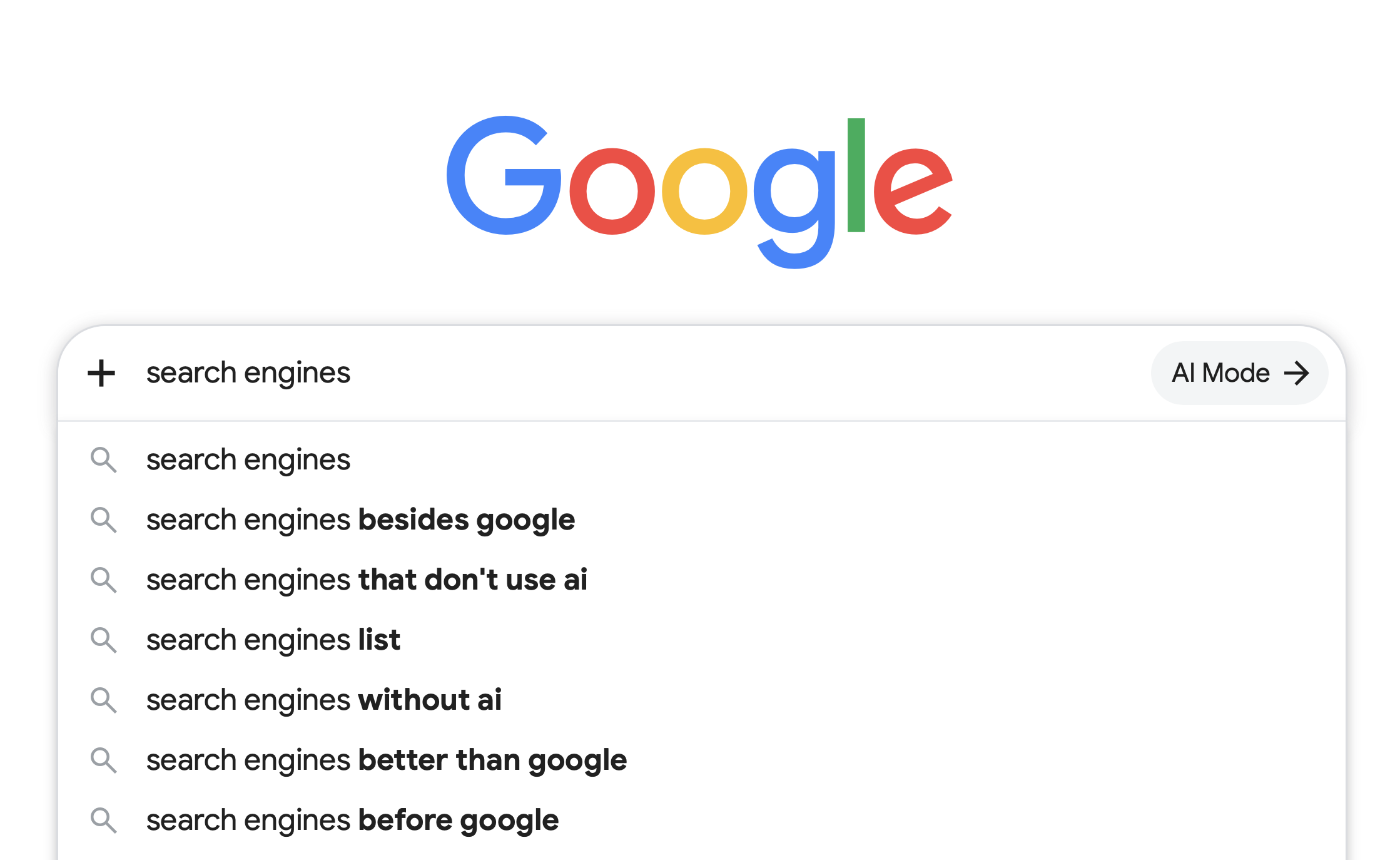
Search engines have become part of everyday life. Whether you’re looking for a nearby restaurant, researching a medical condition, comparing products, or finding answers to complex questions, a search engine is often the first place you turn.
But have you ever stopped to ask, what is a search engine, and how does it actually work?
The answer goes far beyond typing words into a search box. Modern search engines process billions of webpages, evaluate hundreds of ranking factors, understand natural language, and deliver highly relevant results in a fraction of a second.
Understanding how search engines operate is valuable for everyone—from everyday internet users to business owners, marketers, website developers, and content creators. If your website cannot be found, your potential customers may never know your business exists.
This guide explains what search engines are, how they work, why rankings matter, and how businesses can improve their visibility online.
What Is a Search Engine?
A search engine is an online system designed to help users find information on the internet. It discovers webpages, stores information about them, and retrieves the most relevant results when someone performs a search.
Instead of manually browsing millions of websites, users simply enter a search query, and the search engine analyzes its massive index to display the pages that best answer the question.
Search engines organize the internet in much the same way a library organizes books. Without them, finding information online would be incredibly difficult.
Popular search engines include:
- Microsoft Bing
- Yahoo
- DuckDuckGo
- Baidu
- Yandex
While each platform uses its own ranking algorithms, they all share the same primary objective: helping users quickly find trustworthy and relevant information.
Why Search Engines Exist
The internet contains billions of webpages covering nearly every imaginable topic.
Without organization, locating useful information would be almost impossible.
Search engines solve this problem by:
- Discovering new websites
- Organizing online content
- Evaluating quality and relevance
- Matching search intent with webpages
- Delivering useful results within seconds
Every search begins with a user’s question or need. The search engine’s responsibility is to determine which pages best satisfy that need.
How Search Engines Work
Although search engines rely on incredibly sophisticated technology, the process can be broken into three primary stages:
Crawling
Search engines continuously send automated software programs called web crawlers, bots, or spiders across the internet.
These crawlers move from page to page by following hyperlinks.
During crawling, they discover:
- New websites
- Updated pages
- Deleted content
- Images
- Videos
- PDFs
- Internal links
- External links
Every day, search engine bots discover millions of new pages while revisiting existing ones to check for updates.
Indexing
After discovering a webpage, the search engine analyzes its content before deciding whether to store it in its index.
The index is essentially a massive database containing information about webpages across the internet.
During indexing, search engines evaluate:
- Page titles
- Headings
- Keywords
- Images
- Structured data
- Internal links
- External links
- Page quality
- Topic relevance
- Freshness
If a page provides useful content and meets technical requirements, it is added to the search engine’s index.
Pages that cannot be crawled or fail quality standards may never appear in search results.
Ranking
When someone performs a search, the search engine does not search the internet live.
Instead, it searches its index.
Complex algorithms evaluate countless signals before determining which pages deserve the highest positions.
Ranking decisions are influenced by factors including:
- Content quality
- Search intent
- Website authority
- Backlinks
- User experience
- Mobile friendliness
- Page speed
- HTTPS security
- Freshness
- Structured data
- Internal linking
- Topical expertise
The goal is always to deliver the most useful result for that specific search.
What Happens When You Search?
Imagine someone searches:
“Best pizza near me.”
Within milliseconds, the search engine:
- Understands the query.
- Identifies local intent.
- Locates nearby businesses.
- Reviews business profiles.
- Evaluates reviews and ratings.
- Considers relevance and proximity.
- Displays the best local results.
If someone instead searches:
“How does solar energy work?”
The ranking factors shift toward educational content rather than local businesses.
Search engines adapt based on the searcher’s intent.
Understanding Search Intent
One of the most important concepts in modern SEO is search intent.
Search intent refers to the reason behind a search.
There are four primary categories.
Informational Searches
The user wants to learn something.
Examples include:
- What is a search engine?
- How does SEO work?
- Why is page speed important?
Navigational Searches
The user wants to reach a specific website.
Examples include:
- Facebook login
- Amazon
- Richard Hale Media
Commercial Investigation
The user is researching before making a decision.
Examples include:
- Best SEO company
- Google Ads vs SEO
- Best CRM software
Transactional Searches
The user intends to complete an action.
Examples include:
- Buy running shoes
- Hire SEO agency
- Schedule HVAC repair
Search engines try to understand intent before selecting results.
The Difference Between a Search Engine and a Web Browser
Many people confuse search engines with web browsers.
They are completely different.
A web browser is software used to access the internet.
Examples include:
- Chrome
- Firefox
- Safari
- Microsoft Edge
A search engine is the service that helps locate websites.
For example:
- Chrome is a browser.
- Google Search is a search engine.
You can use Google Search inside Chrome, Safari, Firefox, or Edge.
How Google Became the Dominant Search Engine
Although many search engines exist, Google processes the overwhelming majority of searches worldwide.
Its success comes from continuous improvements in:
- Ranking algorithms
- Natural language understanding
- Machine learning
- Spam detection
- Mobile search
- Local search
- Personalized results
Google’s focus has consistently been providing users with the most relevant answers as quickly as possible.
What Factors Help Websites Rank Higher?
Ranking is competitive.
Search engines evaluate hundreds of signals to determine which pages deserve visibility.
Some of the most influential factors include:
High-Quality Content
Content should answer the user’s question better than competing pages.
Effective content is:
- Accurate
- Well organized
- Original
- Helpful
- Comprehensive
- Easy to understand
Backlinks
Backlinks are links from other websites pointing to your content.
Search engines view quality backlinks as indicators of trust and authority.
However, quality matters far more than quantity.
Page Experience
Search engines reward websites that offer a positive user experience.
Important elements include:
- Fast loading times
- Responsive design
- Mobile usability
- Secure HTTPS connections
- Easy navigation
Topical Authority
Rather than publishing isolated articles, successful websites often create clusters of related content.
For example, a digital marketing website might publish resources covering:
- SEO
- Local SEO
- Technical SEO
- Link building
- Keyword research
- Search engines
- Google Business Profile
- Content marketing
This demonstrates expertise across an entire subject.
User Engagement
While search engines do not rely on a single engagement metric, they analyze signals that suggest users found value in a page.
Helpful content often encourages visitors to:
- Read longer
- Visit additional pages
- Return later
- Share content
- Link to the resource
Organic Search vs Paid Search
Search engines display two primary types of results.
Organic Search Results
Organic listings are earned through SEO.
Businesses cannot pay for higher organic rankings.
Instead, rankings depend on relevance, authority, quality, and user experience.
Paid Search Results
Paid results are advertisements displayed through platforms like Google Ads. Many marketing agencies refer to this by PPC or search engine marketing.
Advertisers bid on keywords, and their ads may appear above or below organic listings.
Many successful businesses invest in both SEO and paid advertising because they complement one another.
Why Search Engines Matter for Businesses
Today’s consumers rely heavily on search engines before making purchasing decisions.
People search for:
- Local services
- Product reviews
- Pricing
- Directions
- Business hours
- Comparisons
- Tutorials
- Professional services
If your business appears prominently in search results, you have an opportunity to attract qualified visitors who are actively looking for what you offer.
Strong search visibility can lead to:
- Increased website traffic
- Higher-quality leads
- Greater brand awareness
- More sales
- Improved credibility
- Long-term marketing growth
Common Search Engine Optimization (SEO) Techniques
Search engine optimization helps websites improve their visibility in search engines.
Successful optimization typically includes:
Keyword Research
Understanding the words and phrases people search for.
On-Page SEO
Optimizing:
- Titles
- Headings
- Meta descriptions
- Internal links
- Images
- URL structure
- Content quality
Technical SEO
Improving website performance through:
- Crawlability
- Indexability
- XML sitemaps
- Robots.txt
- Canonical tags
- Core Web Vitals
- Mobile optimization
Link Building
Earning high-quality backlinks from trusted websites.
Local SEO
Helping businesses appear in local searches through:
- Google Business Profile optimization
- Local citations
- Customer reviews
- Location-specific content
Common Search Engine Myths
Many misconceptions about search engines continue to circulate.
Myth: More Keywords Mean Higher Rankings
Keyword stuffing often hurts rankings rather than helping them.
Natural, useful writing performs far better.
Myth: SEO Produces Instant Results
SEO is a long-term strategy.
Building authority and earning trust takes time.
Myth: The First Ranking Lasts Forever
Search rankings constantly change.
Competitors publish new content, algorithms evolve, and user behavior shifts.
Myth: More Pages Always Mean Better Rankings
A smaller collection of exceptional content often outperforms hundreds of thin, low-value pages.
The Future of Search Engines
Search technology continues to evolve rapidly.
Modern search engines increasingly understand:
- Context
- Conversation
- Images
- Voice searches
- User intent
- Semantic relationships
- Real-world entities
People now search using smartphones, voice assistants, image recognition, and conversational queries.
As search evolves, the core objective remains the same: delivering the most relevant, trustworthy information as efficiently as possible.
For businesses, this means focusing less on manipulating rankings and more on creating genuinely useful content that satisfies user needs.
Why SEO Expertise Still Matters
Search engines have become dramatically more sophisticated over the past decade. Ranking well is no longer about inserting keywords into a page or building large numbers of links. Success requires a combination of technical optimization, authoritative content, user experience improvements, and an understanding of how search intent influences rankings.
For businesses investing in long-term online growth, working with experienced SEO professionals can accelerate results and help avoid costly mistakes. Richard Hale Media, founded by SEO expert Richard Hale with more than 16 years of industry experience, helps businesses increase qualified traffic through strategic SEO, content marketing, local search optimization, lead generation, social media marketing, and AI-powered marketing solutions. By developing topical authority, improving technical performance, and creating content that aligns with how search engines evaluate quality, businesses can build sustainable visibility that continues generating leads long after a page is published. If you need help, you can reach us here.
Conclusion
Understanding what is a search engine is the first step toward understanding how the modern internet works.
Search engines connect people with information by crawling the web, indexing content, and ranking pages according to relevance, authority, and user intent. They help users discover answers within seconds while giving businesses the opportunity to reach customers exactly when they are searching for products, services, or information.
Whether you’re simply curious about how Google works or you’re building a website that depends on organic traffic, understanding search engines provides valuable insight into one of the internet’s most powerful technologies. As search continues to evolve, websites that prioritize helpful, trustworthy, and user-focused content will remain in the strongest position to earn long-term visibility.
Frequently Asked Questions
What Is a Search Engine?
A search engine is an online platform that helps users find information on the internet by crawling websites, indexing content, and ranking webpages according to relevance for a user’s search query.
How does a search engine work?
Search engines operate through three primary processes: crawling webpages, indexing their content, and ranking results based on hundreds of factors such as relevance, authority, content quality, and user experience.
What is the most popular search engine?
Google is the most widely used search engine in the world. Other popular options include Microsoft Bing, Yahoo, DuckDuckGo, Baidu, and Yandex.
What is the difference between a search engine and a browser?
A search engine helps users find information online, while a browser is the software used to access websites. For example, Google Search is a search engine, while Chrome and Firefox are web browsers.
Why are search engines important?
Search engines make it possible to quickly locate relevant information among billions of webpages. They also help businesses connect with potential customers who are actively searching for products or services.
How do websites rank higher in search engines?
Higher rankings are typically achieved by publishing high-quality content, optimizing pages for search intent, improving website speed and usability, earning authoritative backlinks, maintaining strong technical SEO, and demonstrating topical expertise.
Can a website appear in search results without SEO?
Yes, a website can be indexed without active SEO efforts. However, effective SEO significantly improves the chances of ranking prominently for competitive keywords and attracting consistent organic traffic.
How often do search engines update their rankings?
Search engines continuously crawl and reevaluate websites. Rankings can change daily as new content is published, websites are updated, competitors improve their pages, and search algorithms evolve.